Dead Tree Removal in San Jose, CA
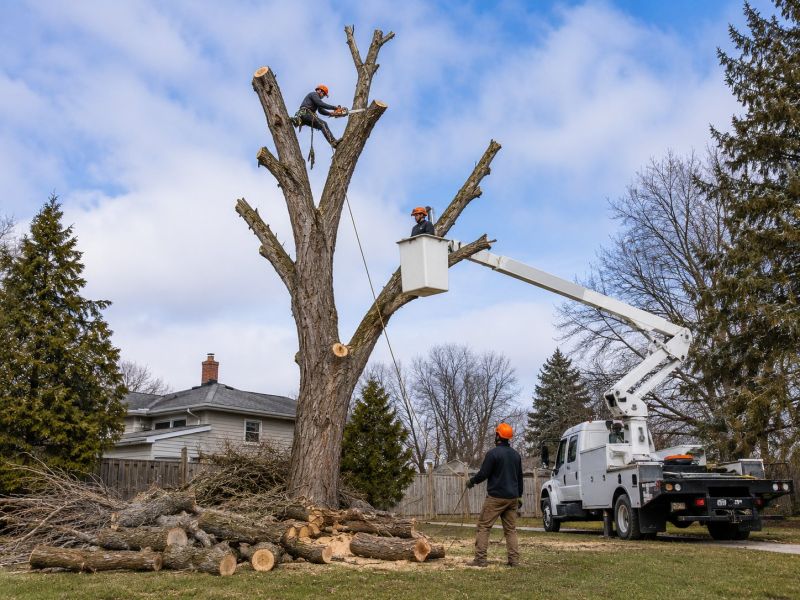
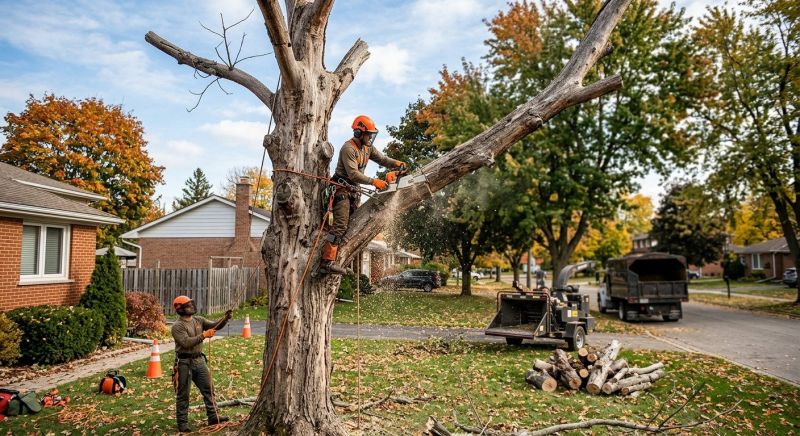
Dead tree removal services involve the safe and efficient removal of trees that are dead, dying, or pose a hazard to a property. These projects typically include assessing the tree’s condition, planning the safest way to bring it down, and removing the debris afterward. Homeowners often request this service when a tree shows signs of decay, such as dead branches, fungal growth, or leaning dangerously, especially in areas where falling branches could damage structures or pose safety risks.
Before requesting dead tree removal, property owners should consider the size and location of the tree, as well as any nearby structures, power lines, or landscaping. Understanding the scope of the project helps ensure proper planning and safety measures. Additionally, it’s helpful to know if there are any local regulations or permits required for tree removal in the area. Proper assessment and preparation can make the process smoother and reduce potential disruptions.
Many property owners in San Jose, CA look into Dead Tree Removal for repairs, replacements, upgrades, and appearance-related improvements.
Hazard Prevention
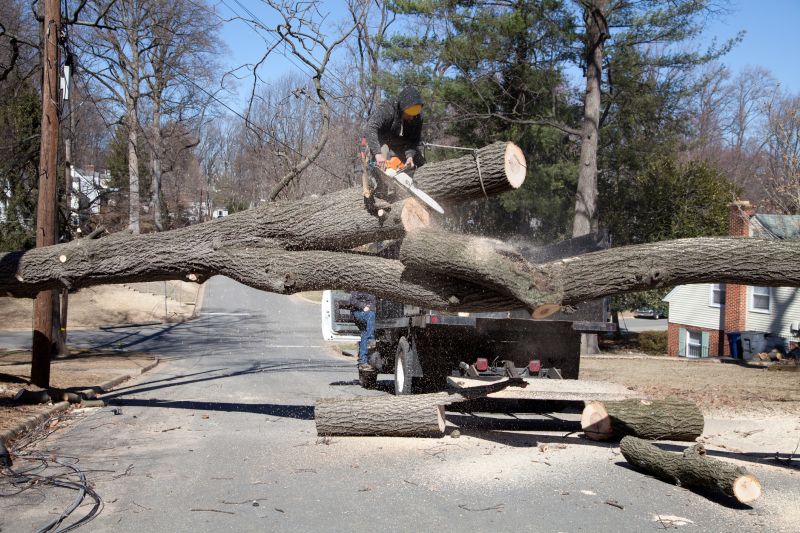
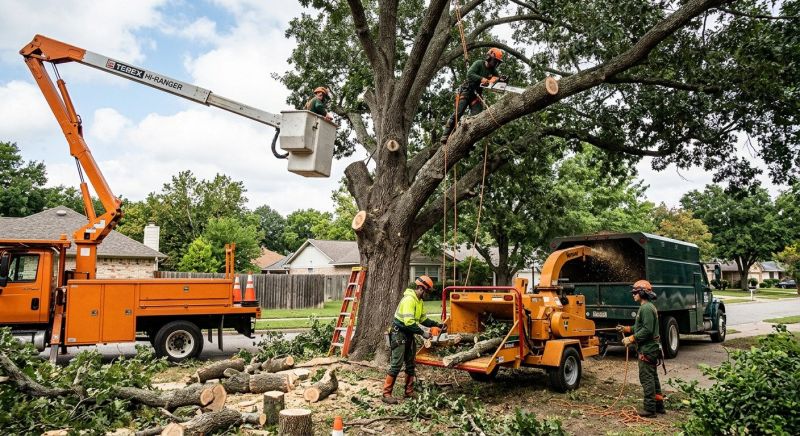
Removing dead trees reduces the risk of falling branches or complete toppling that can damage property or pose safety hazards.
Property Enhancement
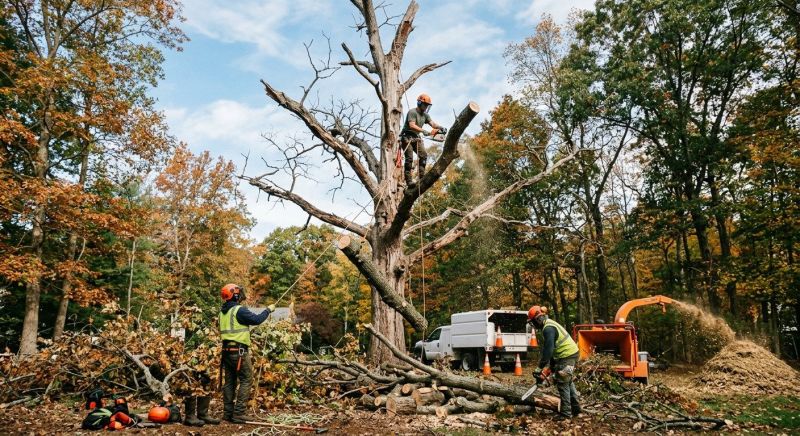
Clearing out dead trees can improve the overall appearance and health of your landscape in san jose neighborhoods.
Tree Health Management
Identifying and removing dead or dying trees helps maintain the safety and vitality of your remaining trees and plants.
Dead Tree Removal in San Jose, CA
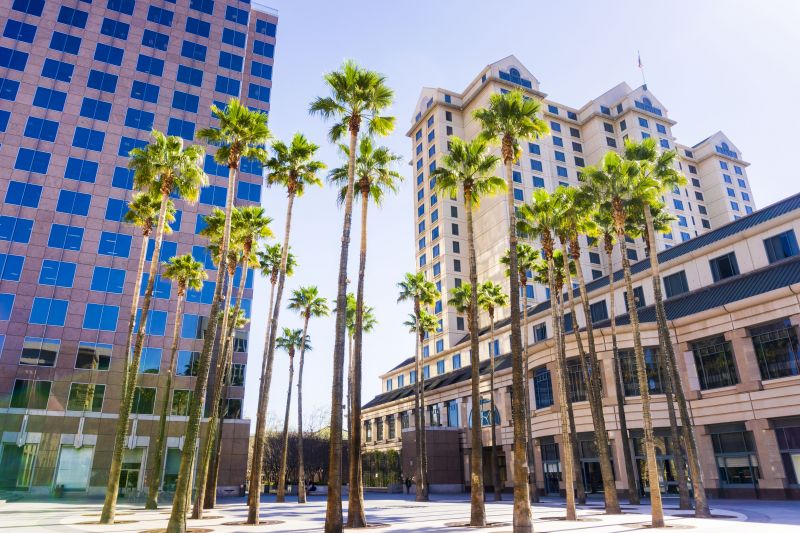
Dead tree removal services involve the safe and efficient removal of trees that are dead, dying, or pose a hazard to a property. These projects typically include assessing the tree’s condition, planning the safest way to bring it down, and removing the debris afterward. Homeowners often request this service when a tree shows signs of decay, such as dead branches, fungal growth, or leaning dangerously, especially in areas where falling branches could damage structures or pose safety risks.
Before requesting dead tree removal, property owners should consider the size and location of the tree, as well as any nearby structures, power lines, or landscaping. Understanding the scope of the project helps ensure proper planning and safety measures. Additionally, it’s helpful to know if there are any local regulations or permits required for tree removal in the area. Proper assessment and preparation can make the process smoother and reduce potential disruptions.
Many property owners in San Jose, CA look into Dead Tree Removal for repairs, replacements, upgrades, and appearance-related improvements.
Common Dead Tree Removal Jobs
Dead Tree Removal - safely eliminates hazardous or dead trees to protect property and safety.
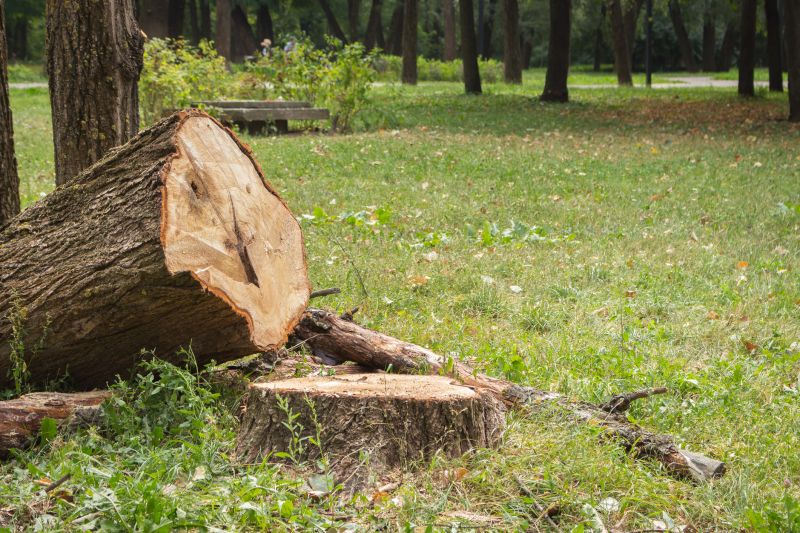
Stump Grinding - removes remaining tree stumps to prevent regrowth and improve landscape appearance.
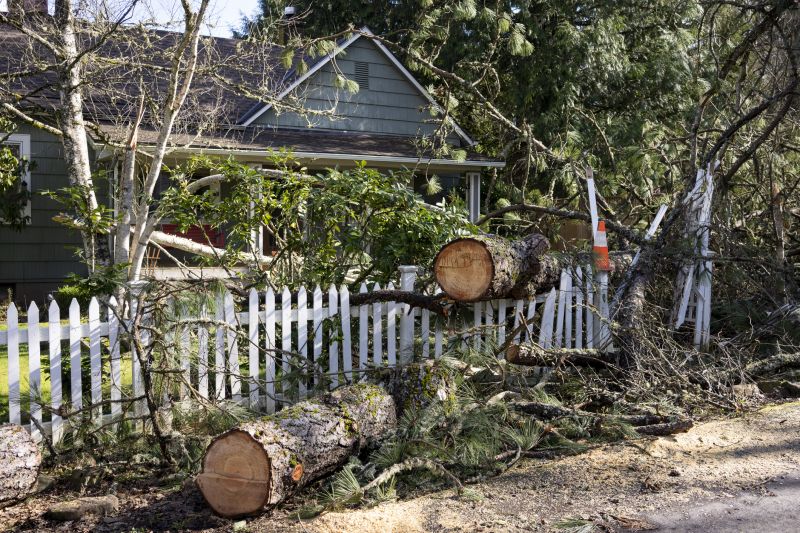
Emergency Dead Tree Removal - addresses urgent tree hazards caused by storms or decay.
Selective Tree Removal - targets specific dead or diseased branches to maintain tree health.
Property Clearing - clears dead trees to prepare land for construction, landscaping, or maintenance.
Tree Cleanup Services - removes debris and wood from dead trees to keep the property tidy.
Dead Tree Removal Questions
What types of dead trees are commonly removed? Dead or severely damaged trees that pose a risk to property or safety are typically removed to maintain landscape health and safety.
Why is dead tree removal important? Removing dead trees helps prevent potential property damage, injury, and pest infestations, maintaining a safe environment around the property.
What signs indicate a tree may need removal? Signs include extensive dead branches, trunk decay, leaning or instability, and visible fungal growth or decay.
How does dead tree removal benefit property owners? It improves landscape appearance, reduces safety hazards, and allows for healthier planting or construction opportunities.
Request Dead Tree Removal in San Jose, CA
Use the quote form on this page to share the basics of your project and request more information for the type of work you need.