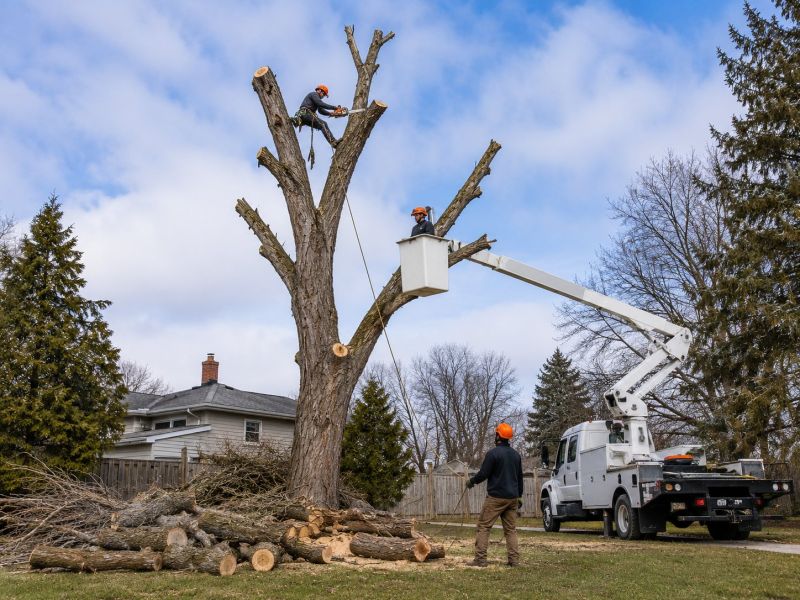
Cherry Tree Removal in Doylestown, PA
Cherry tree removal services involve the safe and efficient removal of cherry trees that are dead, damaged, or pose a risk to surrounding property. These projects typically include the complete extraction of the tree, including roots if necessary, and may involve stump grinding or removal to prevent future growth or hazards. Property owners often request this service when a tree has become diseased, is interfering with structures or power lines, or has outgrown its space, ensuring the safety and aesthetic appeal of the landscape.
Before requesting cherry tree removal, property owners should consider the size and location of the tree, as well as any potential impacts on nearby structures, utilities, or landscaping. It’s also helpful to understand local regulations or permits that may be required for tree removal, especially for larger or protected trees. Clear communication about the tree's condition and surroundings can assist in planning the safest and most effective removal process.
Many property owners in Doylestown, PA look into Cherry Tree Removal for repairs, replacements, upgrades, and appearance-related improvements.
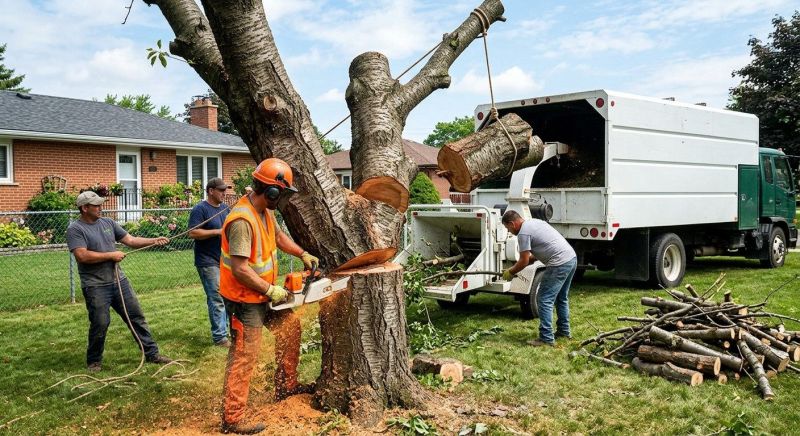
Reasons For Tree Removal
Trees may need removal due to disease, damage, or safety concerns on residential properties.
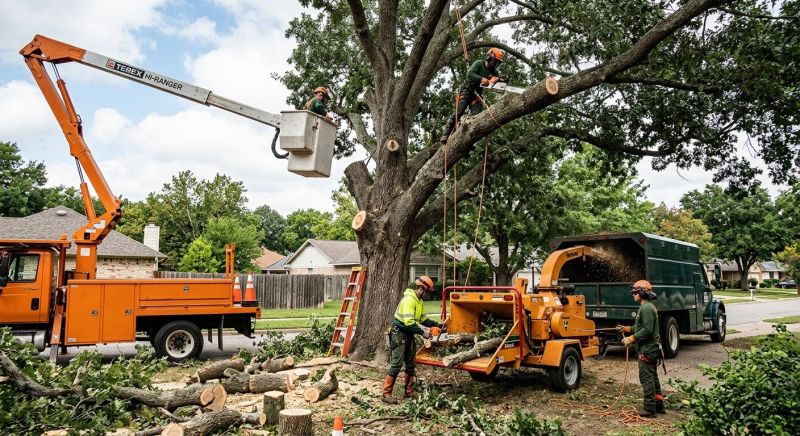
Tree Removal Process
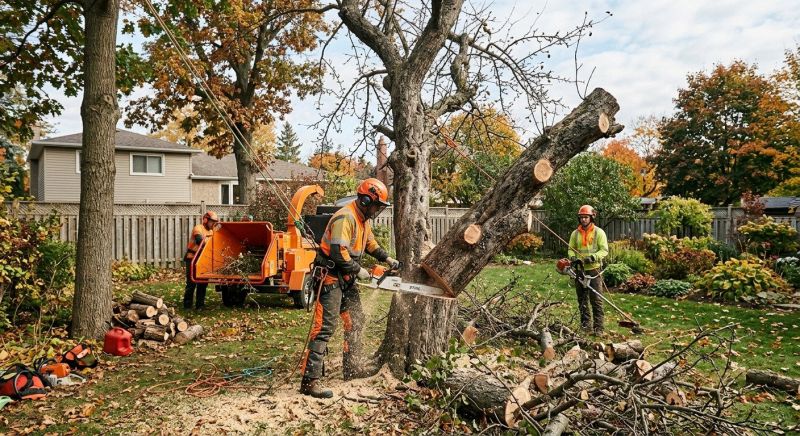
Proper techniques ensure safe and efficient removal while protecting surrounding landscape and structures.
Post-Removal Cleanup
Comprehensive cleanup includes stump grinding, debris removal, and site restoration for a tidy yard in doylestown, pa.
Cherry Tree Removal in Doylestown, PA

Cherry tree removal services involve the safe and efficient removal of cherry trees that are dead, damaged, or pose a risk to surrounding property. These projects typically include the complete extraction of the tree, including roots if necessary, and may involve stump grinding or removal to prevent future growth or hazards. Property owners often request this service when a tree has become diseased, is interfering with structures or power lines, or has outgrown its space, ensuring the safety and aesthetic appeal of the landscape.
Before requesting cherry tree removal, property owners should consider the size and location of the tree, as well as any potential impacts on nearby structures, utilities, or landscaping. It’s also helpful to understand local regulations or permits that may be required for tree removal, especially for larger or protected trees. Clear communication about the tree's condition and surroundings can assist in planning the safest and most effective removal process.
Many property owners in Doylestown, PA look into Cherry Tree Removal for repairs, replacements, upgrades, and appearance-related improvements.
Common Cherry Tree Removal Jobs
Cherry tree removal - safely takes down old or damaged cherry trees to prevent hazards.
Stump grinding - removes remaining stumps to improve lawn safety and appearance.
Tree pruning - trims cherry trees to promote healthy growth and fruit production.
Emergency tree removal - addresses storm-damaged or dangerous trees quickly and efficiently.
Selective cherry tree removal - removes specific trees to manage landscape or prevent overgrowth.
Complete tree removal - clears entire cherry trees for construction or landscaping projects.
Cherry Tree Removal Questions
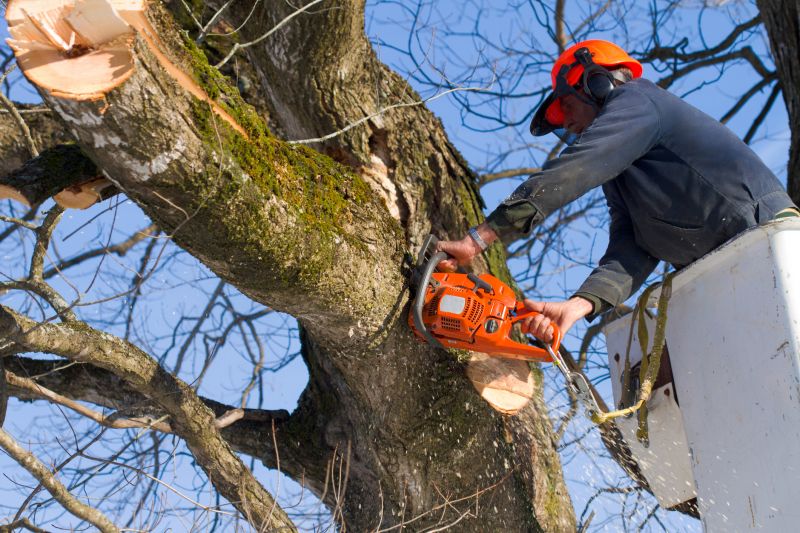
What are common reasons for removing a cherry tree? Reasons include disease, storm damage, overcrowding, or safety concerns due to falling branches.
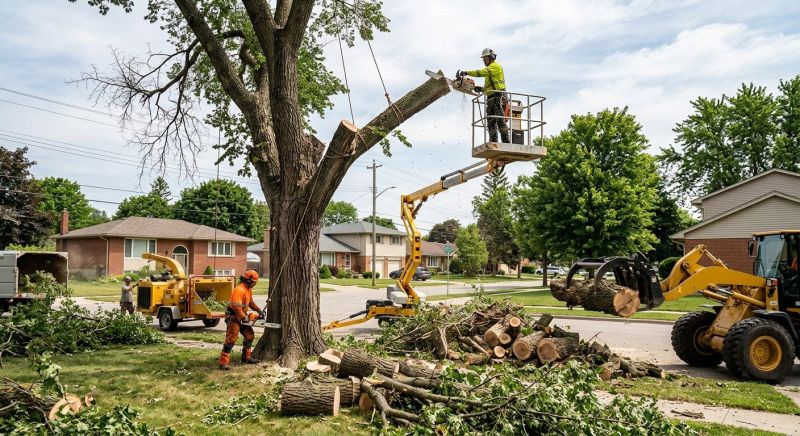
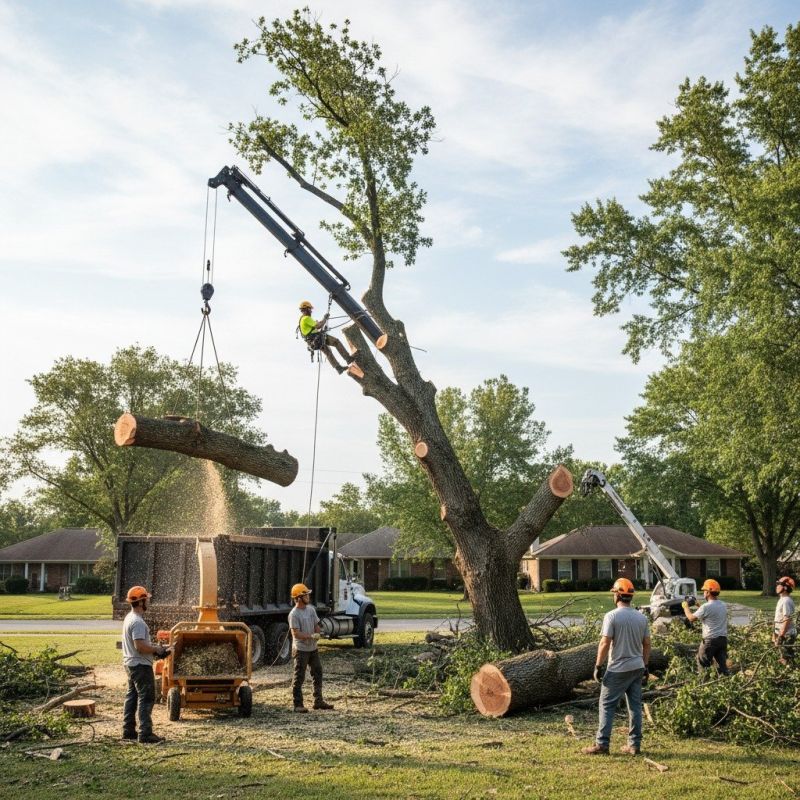
Is cherry tree removal suitable for any size tree? Removal services can handle trees of various sizes, but larger trees may require special equipment and planning.
Will removing a cherry tree affect nearby plants? Proper removal techniques minimize impact on surrounding landscaping and prevent damage to nearby plants.
What should property owners consider before removing a cherry tree? Consider the tree’s health, location, and potential effects on the landscape to determine if removal is appropriate.
Request Cherry Tree Removal in Doylestown, PA
Use the quote form on this page to share the basics of your project and request more information for the type of work you need.